

Stories 2026.01.27
The Makers Behind Nordic Design
Nordic design is often described through form and function. But behind every object that lasts lies something more fundamental: the knowledge of the people who make it, and their relationship with natural materials. Across the Nordic region, furniture and textile traditions grew out of local communities shaped by forests, climate and necessity. Wood, wool and other natural materials were not chosen for style, but because they were available, durable and suited to everyday life. Over time, these materials formed the basis of a shared craft culture that still defines Nordic design today.
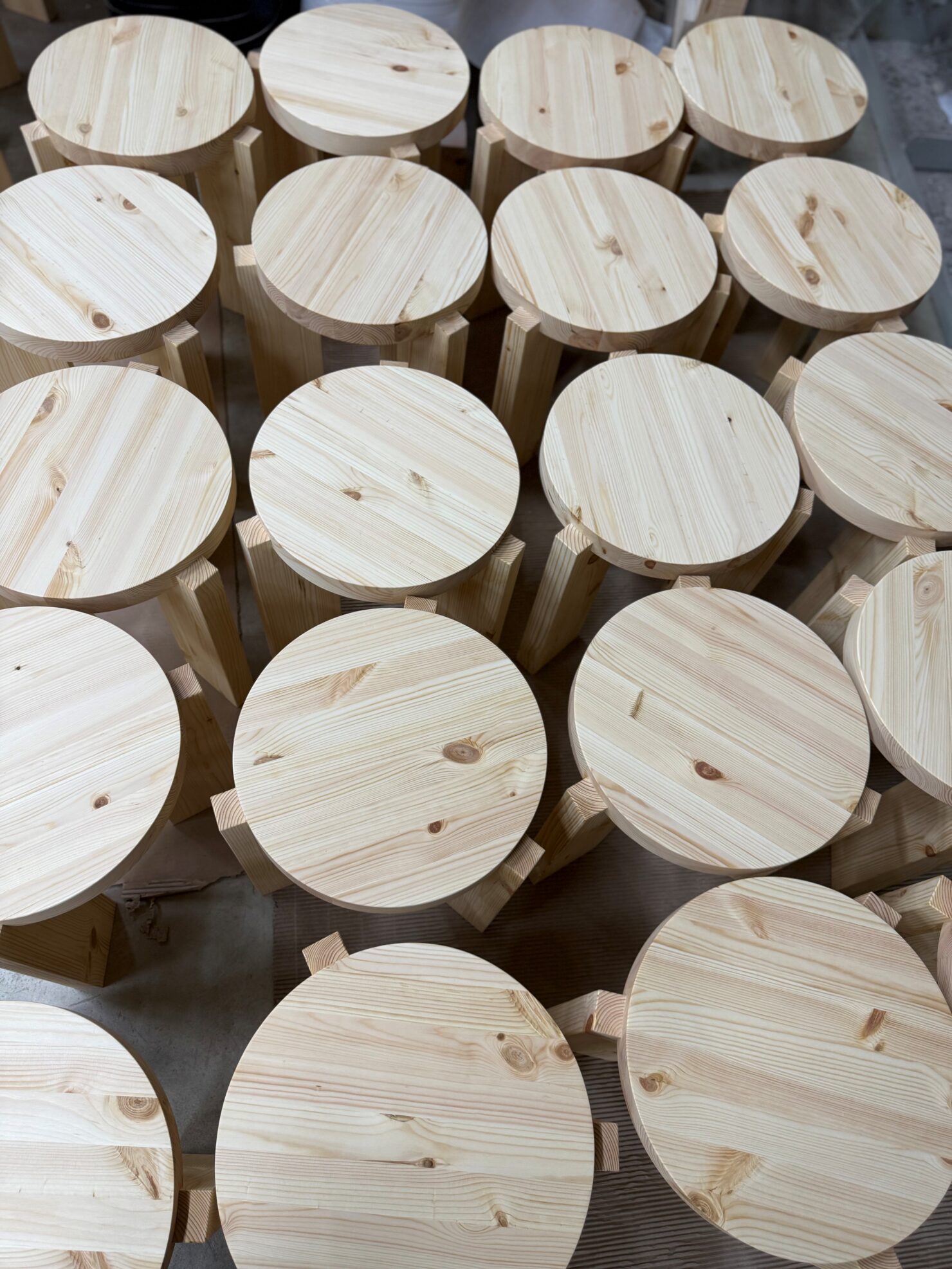
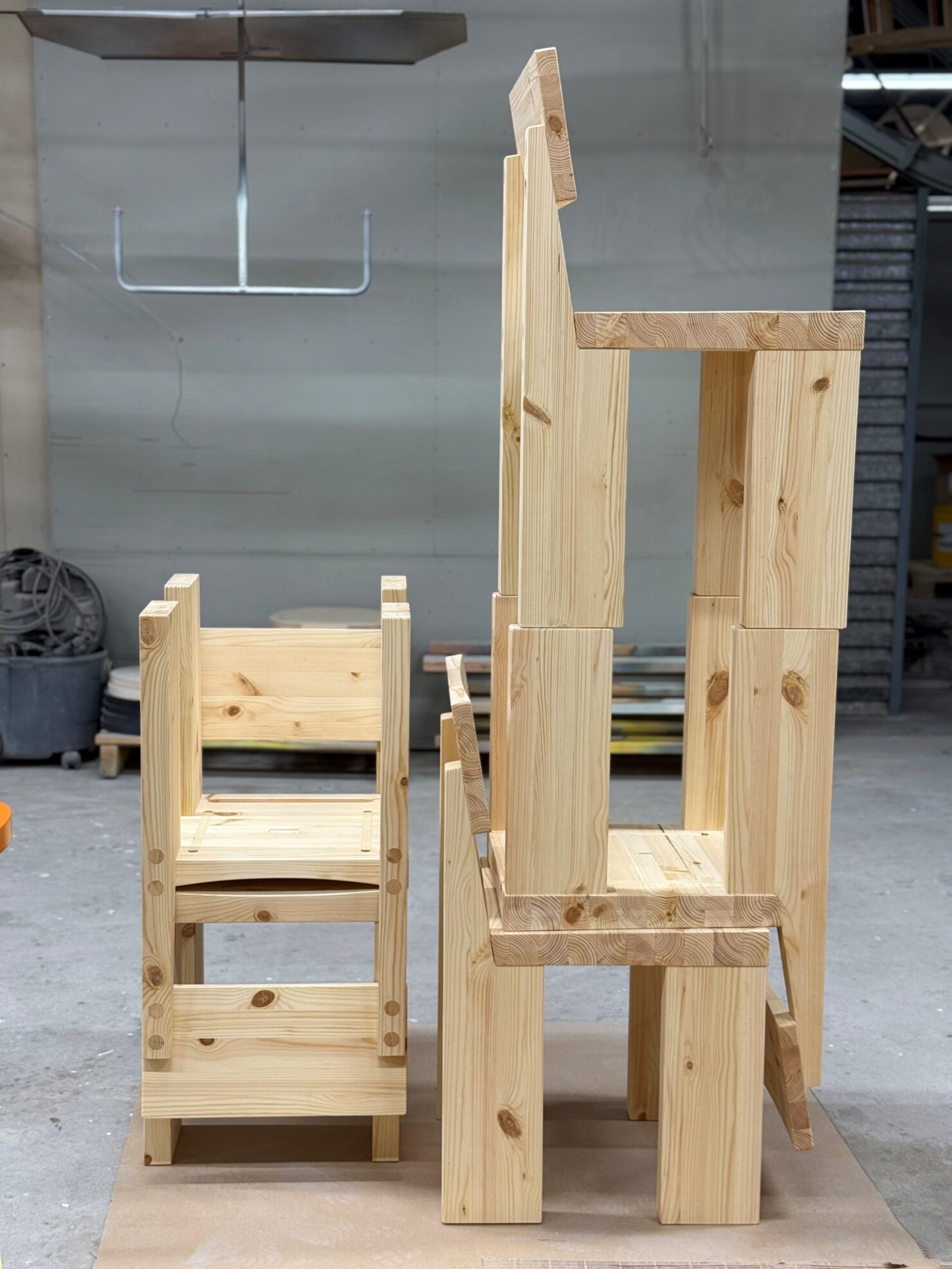
In western Finland, the village of Jurva has been a centre for woodworking and furniture making since the late 19th century. Its furniture and woodworking school, founded in 1888, educated generations of carpenters and cabinetmakers who helped shape Finnish and Nordic furniture craftsmanship. What defines Jurva and the Småland region in Sweden is not scale, but depth of material knowledge. Wood is understood not as a fixed material, but as something living, with grain, tension and movement. Knowing how a plank will react to moisture, temperature and time is knowledge built through years of practice.
As one carpenter in Jurva expresses it: “You need to keep learning all the time. Wood is not constant.”
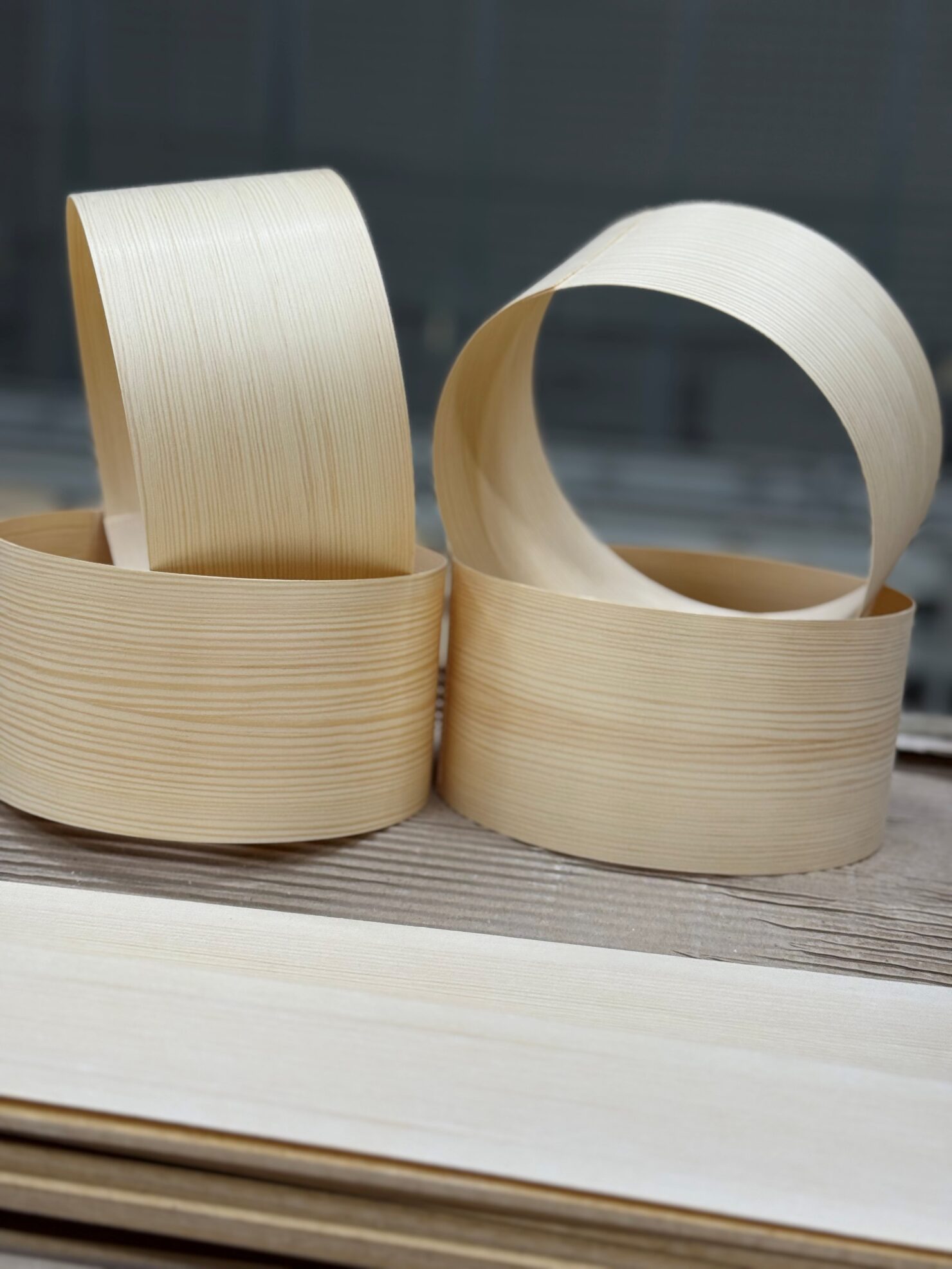
The same relationship exists in Nordic textile traditions. Wool and linen respond to climate, humidity and use. They stretch, settle and soften over time. Weavers and textile makers learn to work with these behaviours rather than against them, understanding fibre, structure and tension through long experience. Rug making and weaving communities across the Nordic region developed techniques that balanced strength with comfort, and function with beauty. These traditions created textiles intended for daily life, not decoration, and they were rugs to walk on, and fabrics to live with.
Communities of making
Jurva and Småland are examples of how villages and entire regions became known for specific forms of craftsmanship: woodworking, weaving, metal casting and upholstery. These were not isolated workshops, but shared ecosystems of skills, tools and teaching. Knowledge was passed down through generations, forming local identities around making. Because resources were limited and replacement difficult, products were made to last. This necessity created a culture of restraint and durability, a mindset that continues to influence Nordic design values today.
At NOD we see craftsmanship not as heritage alone, but as a living system of knowledge. For brands rooted in natural materials, such as Kasthall, Vaarnii, Byarums Bruk and Grythyttan, the material is central to both product and process. These brands carry the legacy of their local communities forward: material understanding, skilled hands and pride in making. Preserving and developing this knowledge is not about looking backward, but about ensuring that future products are made with the same care, judgement and responsibility.
The future of Nordic design lies in combining this accumulated experience with new tools and technologies. When innovation stands on the shoulders of craftsmanship, design remains grounded in materials, in people, and often also in the places where it all began.
Design may begin with an idea. Its true value is created in the making